The Breakdown
Seatbelts we're designed for this body shape
For decades, parents were told to put babies to sleep on their stomachs. The reasoning sounded solid at the time. A baby on its back might spit up and choke.
Colin Elefante-Smith · 2026-08-28 · 4 min read
For decades, parents were told to put babies to sleep on their stomachs. The reasoning sounded solid at the time. A baby on its back might spit up and choke.
Then the evidence came in from Australia and elsewhere, and in 1992 the American Academy of Pediatrics reversed the advice. The NICHD launched the Back to Sleep campaign in 1994.
US SIDS rates have fallen by about half since.
None of those parents had been careless. Every one of them did the thing they were taught to do, the way they were taught to do it, and the danger was sitting inside the instruction.
A warning doesn't work on a mistake nobody knows they're making. You have to show it to them.
## 1. The ad shows her the problem.
MimiBelt sells a clip that anchors to the car seat and holds the lap belt down across the hips so it stops riding up over the bump.
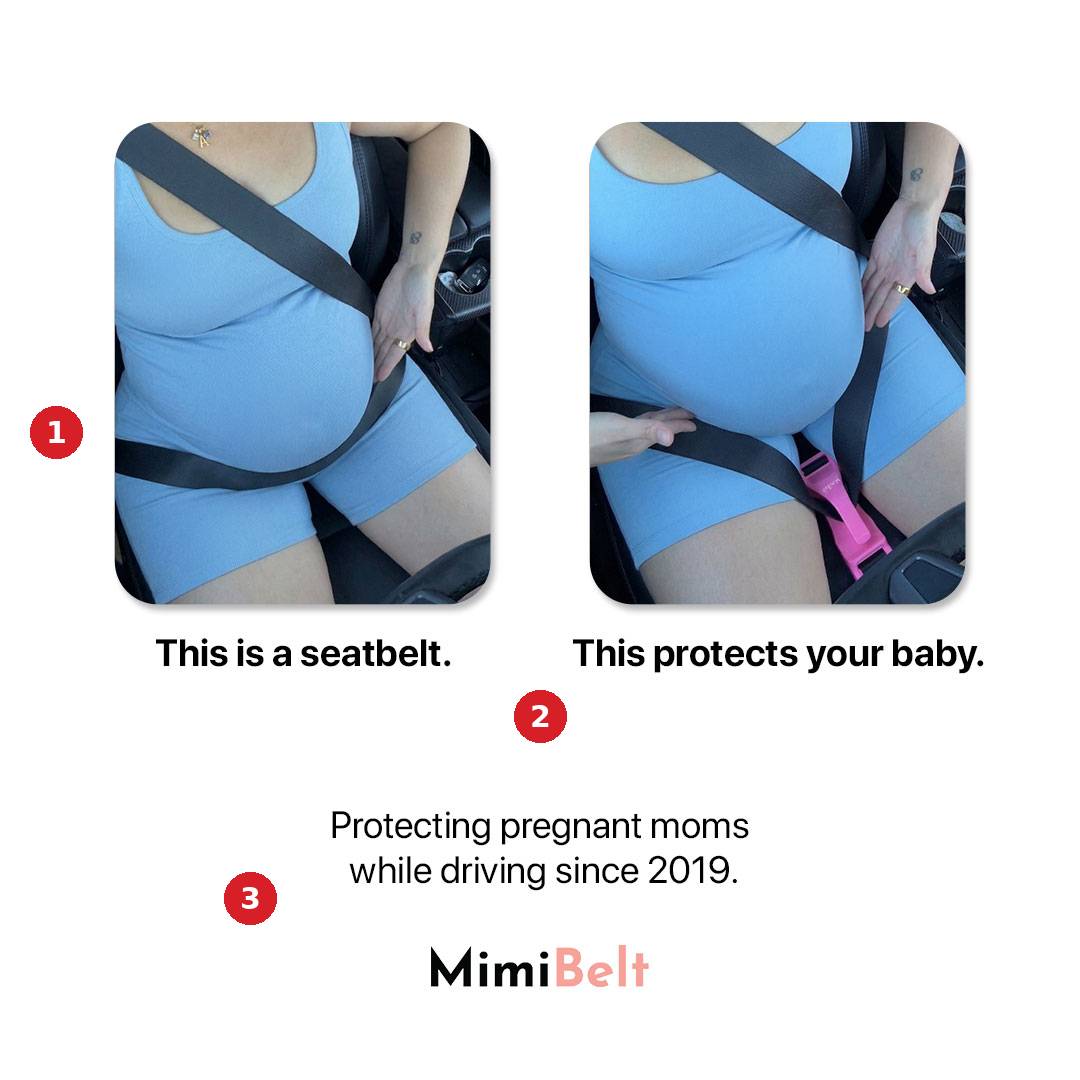
Look at the left panel. The belt is buckled, the shoulder strap sits across her chest. She's doing exactly what she was TAUGHT to do.
Now the right panel. Same top, same car, same angle, both shot looking down from the driver's own seat (no studio, no model facing camera). The belt has moved down around the thighs and a pink clip is holding it there.
The only thing that changes is the one thing the ad wants her to notice.
Nobody tells her she's been doing it wrong. The two frames suggest it and she closes the gap herself. That's what makes it land on a woman who isn't shopping for a seatbelt adjuster and probably didn't know the category or even the problem existed.
## 2. Two captions, one verb.
"This is a seatbelt."
No adjective. No warning. The ad won't call it dangerous, and that restraint is what makes it work. You supply the alarm yourself when you read the caption beside it.
"This protects your baby."
The verb only shows up on the right. First frame describes. Second frame promises. And it subtly suggests that the normal way of wearing a seatbelt doesn't adequately protect your baby (while staying compliant).
## 3. The sign-off claims the category.
"Protecting pregnant moms while driving since 2019." Then the logo, and nothing else.
That one line carries all of the trust, and it works because of everything it leaves out. No second product, no other use case. Pregnant moms, driving. That's the entire company.
A brand that does one thing gets to imply it's the authority on that thing. And in a category this narrow, most readers have never seen a competitor, so the last line reads like a claim on the whole space.
## How I'd Beat It
This is a great unaware static, but there's one test that would change what the ad is actually claiming.
**Put the design flaw on the creative.**
Right now the ad argues the belt sits better with the clip. That's a positioning claim, and it asks her to trust the advertiser's judgment about her own body.
MimiBelt's own long-form ads make a harder argument this static never touches. Their copy says the belt in your car was crash-tested on a dummy built like a 5'10" man, so once there's a bump the lap belt has nowhere legal to sit. Their line:
"It's not you wearing it wrong. There is no perfect way to wear it once your bump changes the geometry."
I'd test that under the left caption. The control says this way is better. The test says the belt was never designed for your body, and that's a much harder thing to shrug off.
Ads like this only work when you've found the thing your buyer is doing right now, believes is correct, and has never once thought to question. Generic AI ad makers can't do that part for you.
---
**Want this done for your brand?**
One call will show you where your creative is leaving money on the table.
[Book a call](https://cal.com/colinelefante/ad-oven-discovery-call)