The Breakdown
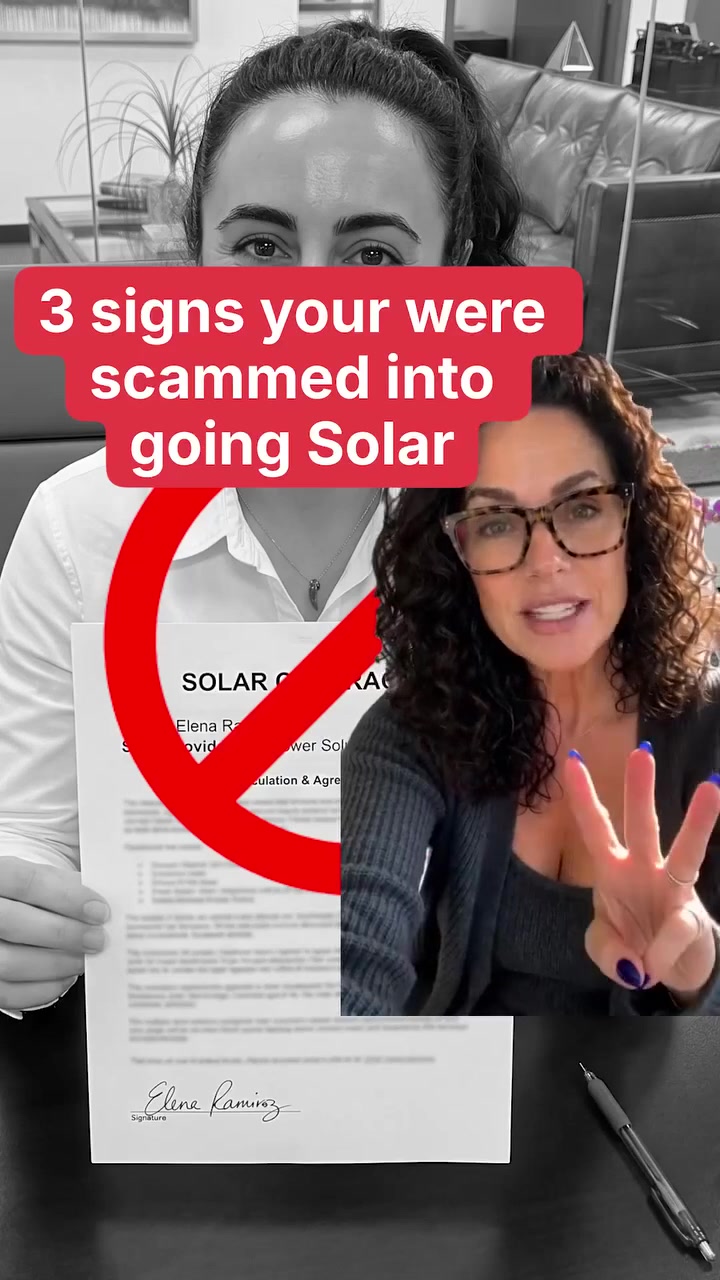
This ad shows how you were scammed into going solar
In November 1965 a 31-year-old lawyer named Ralph Nader published a book about the Chevrolet Corvair.
Colin Elefante-Smith · 2026-08-26 · 4 min read
In November 1965 a 31-year-old lawyer named Ralph Nader published a book about the Chevrolet Corvair.
The car industry had spent decades with one answer for crash deaths: the nut behind the wheel. *Bad drivers.*
Nader argued the deaths came from the design. The companies held patents on safety features like the collapsible steering column and weren't using them.
General Motors hired private investigators to dig up dirt on him. It leaked. On March 22, 1966, GM's president apologized to Nader in front of a Senate subcommittee.
The book became a best-seller, and that September President Johnson signed the first federal law setting safety standards for cars. In 1970 GM paid Nader $425,000 to settle his privacy lawsuit, and he spent it investigating GM.
The whole thing turned on moving the blame. Once the fault moved from the driver to the car, every crash victim became a claimant.
Let's dig into why the same strategy is working for this Solar Resolution Center ad.

## 1. "Scammed" is the key word.
The person this is for signed a 20 to 25 year loan, the power bill never went away, and their natural reaction is "I signed the thing, so it's on me."
But the very first line of overlay text immediately makes them question that:
*"3 signs you were scammed into going Solar."*
ONE word moves the blame. If you were scammed, you're a victim, and victims have claims. Everything after the title is evidence for that verdict.
The whole thing has the feel of a viral organic video.
## 2. The signs run in the order you lived them.
Sign one is the pitch. A salesman knocked, promised a $0 electric bill, a government grant, panels that pay for themselves.
Sign two is the paperwork. A loan you didn't fully understand, and a power bill on top of it.
Sign three is how you feel now.
The sale, the signing, the stuck.
Each one is a moment the viewer already lived, and every sign gets a prop to agitate the pain.
Rooftop panels, a contract with "Customer Initials" lines, a hand fanning hundred-dollar bills on the word "grant," a salesman at somebody's kitchen table.
## 3. Sign three is an objection kill.
"They make it feel like cancellation is impossible, and that's not true. They just want you to believe it to feel like you're stuck in it."
This is probably the smartest line in the ad. The one thing keeping this viewer from clicking is "I'm locked in for 25 years." The ad puts that feeling ON the list. Being stuck stops being a reason to scroll past and becomes the third symptom.
The objection gets handled, and on screen it looks like a diagnosis.
## 4. You see the quiz before you click.
From "check the link below" the background is a screen recording of the landing page. "Some Solar Contracts Can Be Cancelled Right Now!" Then "Do you lease or own your solar panels?" with two buttons, then a "Congratulations, you are likely eligible" screen with a form.
You've walked the whole funnel before you've touched it, and she tells you it takes about 30 seconds.
Then a white end card, "cancel your solar and get a refund," a red arrow pointing down, and four seconds of complete silence. On a noisy feed, the audio cutting out is its own way of saying look here.
## How I'd Beat It
This is a great cold ad for a legal lead, but there's one test that would make sign three land harder.
**Show the rule.**
"That's not true" is her word, and nothing on screen backs it up. A sibling ad in the same account does it differently. On the cancellation line it cuts to a screenshot of 16 CFR 433.2, the FTC's 1975 Holder Rule. In plain terms, it keeps a buyer's claims against the seller alive after the loan is sold to a lender.
I'd test that screenshot here, cut in on "and that's not true." The control asks you to take her word for it. The test lets you read the proof.
---
Symptom-list ads like this work when you know the exact moments your prospect lived through, in the order they lived them, and the shame that's keeping them from taking action. That context can only come from an AI system that knows your brand and customers deeply.
---
**Want this done for your brand?**
One call will show you where your creative is leaving money on the table.
[Book a call](https://cal.com/colinelefante/ad-oven-discovery-call)